Board Members (2025-2028)
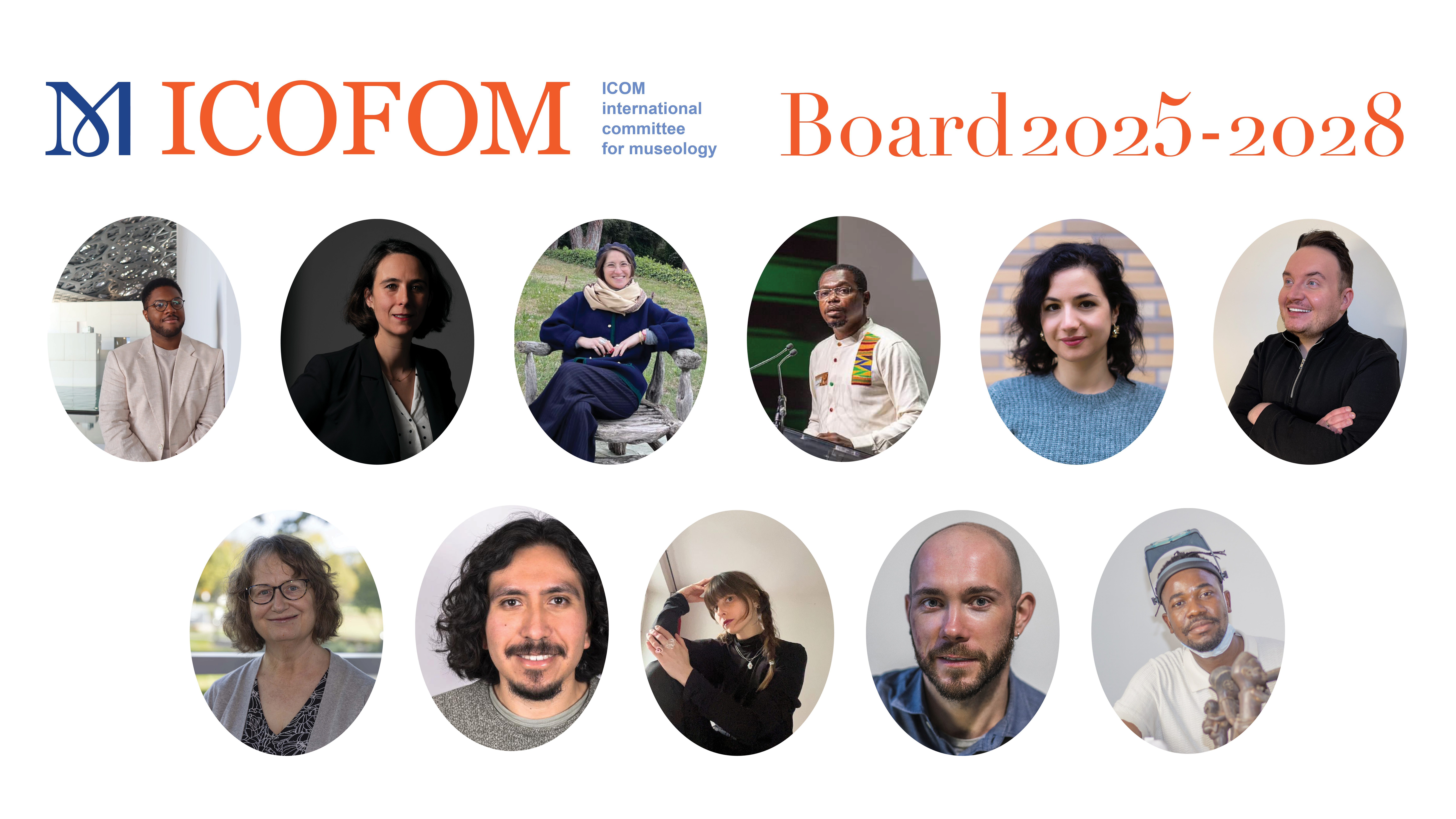
Chair:
- Dr. Marion B. Bertin, Postdoctoral researcher at the Catholic University of Louvain, Belgium
Vice-chairs:
- M.Des Melissa Aguilar Rojas, Independent museology researcher and visual communication designer, Chair of Working Group on Website.
- Prof Didier Houenoude, Professor of Art History, University of Abomey-Calavi (Benin) / Research Associate and Acting Deputy Director of the Saxon State Ethnographic Collections
Treasurer:
- Jamie Allan Brown, University of St Andrews, Scotland
Secretary:
- M. Elizabeth Weiser, Ohio State University, USA; Chair of Working Group on Publications
Ordinary Board Members:
- Dr Olivia Guiragossian (University of Avignon, France);
- Daniel Abidjo
- Maxence Zabo (France Museums, France/ Abu Dabhi)
- Dr Claire Brizon (Musée cantonal d’archéologie et d’histoire, Lausanne, Switzerland) ;
- Prof Nicolas Navarro (University of Liège, Belgium) ;
- Mtr. Hector Valma (professor of Museography and Cultural Policies at Universidad de la Comunicación, México)
Chairs of subcommittees:
- Janet Tee, Malaysia – Chair of ICOM ICOFOM-ASPAC
- Scarlet Rocio Galindo Monteagudo, Museo Nacional de la Acuarela Alfredo Guati Rojo, México – Chair of ICOFOM-LAC since 2023
—
Dr Marion Bertin, Chair
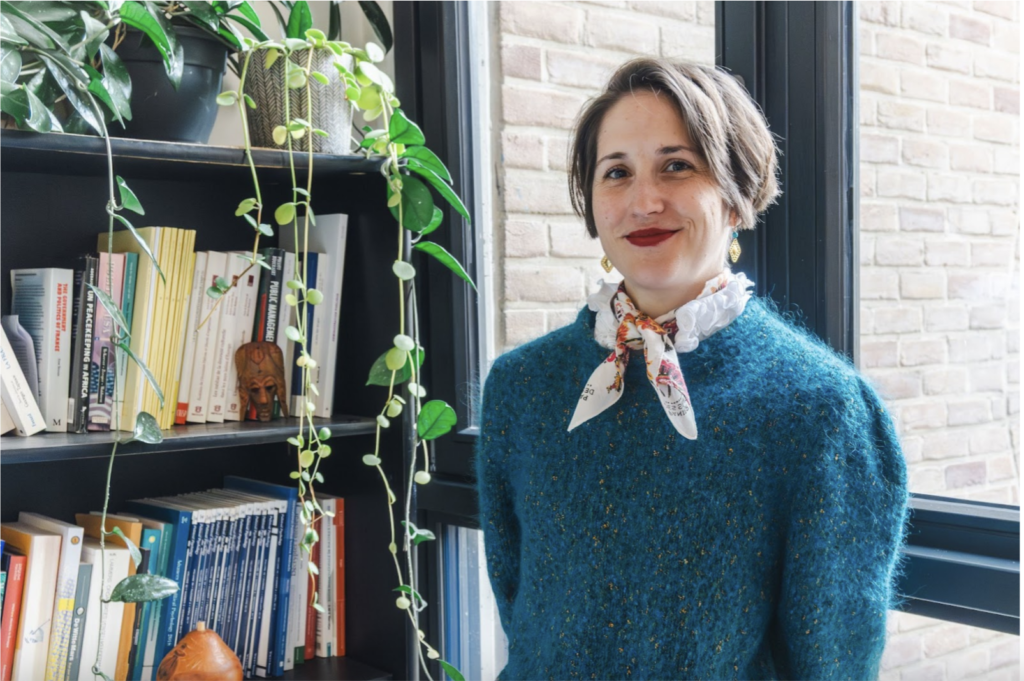 Dr Marion Bertin is a French museologist and anthropologist. She holds a doctorate in anthropology (La Rochelle Université) and a degree in art history and museology (École du Louvre). She is currently a postdoctoral fellow at the Université catholique de Louvain (UC Louvain) in Louvain-la-Neuve, in the French-speaking region of Belgium.
Over the past decade, Marion Bertin has extensively studied the colonial history of museum collections, with a focus on collections from Oceania. In particular, she investigated the history of the “dispersed Kanak heritage” and its two main projects: the Inventory of Dispersed Kanak Heritage (IPKD), launched in 1979, and the program of temporary returns of “ambassador objects” of Kanak culture in Nouméa, New Caledonia. For this research, Marion collaborates with museum professionals and Kanak communities from New Caledonia. She was hosted for several months as an inviting researcher at the Musée de Nouvelle-Calédonie, the Centre culturel Jean-Marie Tjibaou, and the Department of Culture of the South Province of New Caledonia in Nouméa. She published several peer-reviewed articles, including in the ICOFOM Study Series, and book chapter. She is currently writing a monograph dedicated to her previous investigations.
Another aspect of Marion’s research deals with the museum institution itself. Through the prism of circulation, Marion developed a strong interest for the diffusion, adaptation, translation, decolonisation, and rejection of hegemonic museum theories and practices. In this context, she took part in several translational projects, including the Académie des Traces; as well as COLL-AB (Collaborations – Collections d’Abomey et du Bénin), and the international project Le travail décolonial dans les collections muséales (Europe et Afrique subsaharienne). Local Histories and Global Circulations. In this context, she is co-editor, with Martin Hullebroeck, of a glossary on the study of collections from colonial contexts, including in the collective book Traces du dé/colonial au musée (Bodenstein et al. ed., 2023).
As a postdoctoral fellow in Belgium, she is currently part of the collective project called REMAIN HUMAN (funded by the FNRS) which aims to study the negotiations about human remains from Congo preserved in collections in Belgium.
As a researcher and museum professional, Marion works closely with and within several museums in Europe and Oceania, including the Musée L in Louvain-la-Neuve in Belgium, the Musée national Picasso-Paris, the Muséum d’histoire naturelle de Toulouse as well as the Musée des Arts africains, océaniens et américains de Marseille in France.
Marion has been teaching Museology in several universities, including the Université d’Avignon (France), the Ecole du Louvre, La Rochelle Université, and the Université du Québec en Outaouais (UQO).
Within ICOFOM, Marion initially served as a volunteer since 2017, managing communication with committee members via email and supporting the organization of the annual symposia. Elected to the Board of Directors in 2019, she became the principal secretary and continued those two missions. She was also involved in the scientific committee of the international research project Decolonising museology (2019-2022), which involved several partners worldwide and was led by Bruno Brulon Soares, and in the working group on the new definition of the museum formed within ICOFOM. During the term 2022-2025, she was co-vice-chair of ICOFOM, together with Anna Leshchenko, and co-leads the working group on organizing conferences, with Jamie Allan Brown. They both participated in organising conferences and annual symposia in regions under-represented in ICOFOM: New Caledonia, Qatar, and the United Arab Emirates.
Didier Marcel Houénoudé, Co-Vice Chair
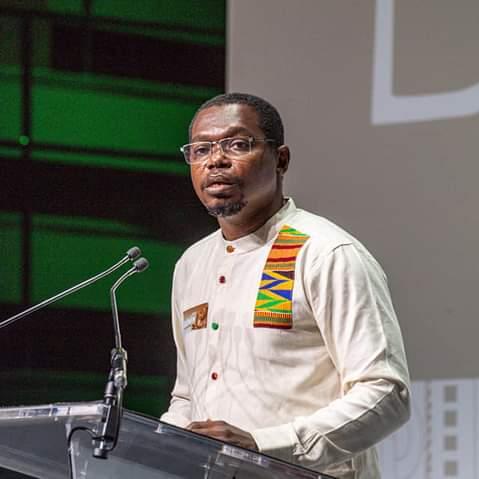 Professor of Art History, University of Abomey-Calavi (Benin) / Research Associate and Acting Deputy Director of the Saxon State Ethnographic Collections.
As an art historian and teacher-researcher, I have devoted my career to the study, teaching, and promotion of tangible and intangible heritage (University of Abomey-Calavi in Benin, Saxony National Ethnographic Collections in Germany). My career has led me to collaborate with national and international museums, organize and participate in numerous scientific conferences, and publish several reference works on art history, heritage, and museology. This experience has given me a deep understanding of the challenges facing museums, whether in terms of restitution, audience inclusion, sustainability, or digital transition.
Melissa Aguilar, Co-Vice Chair
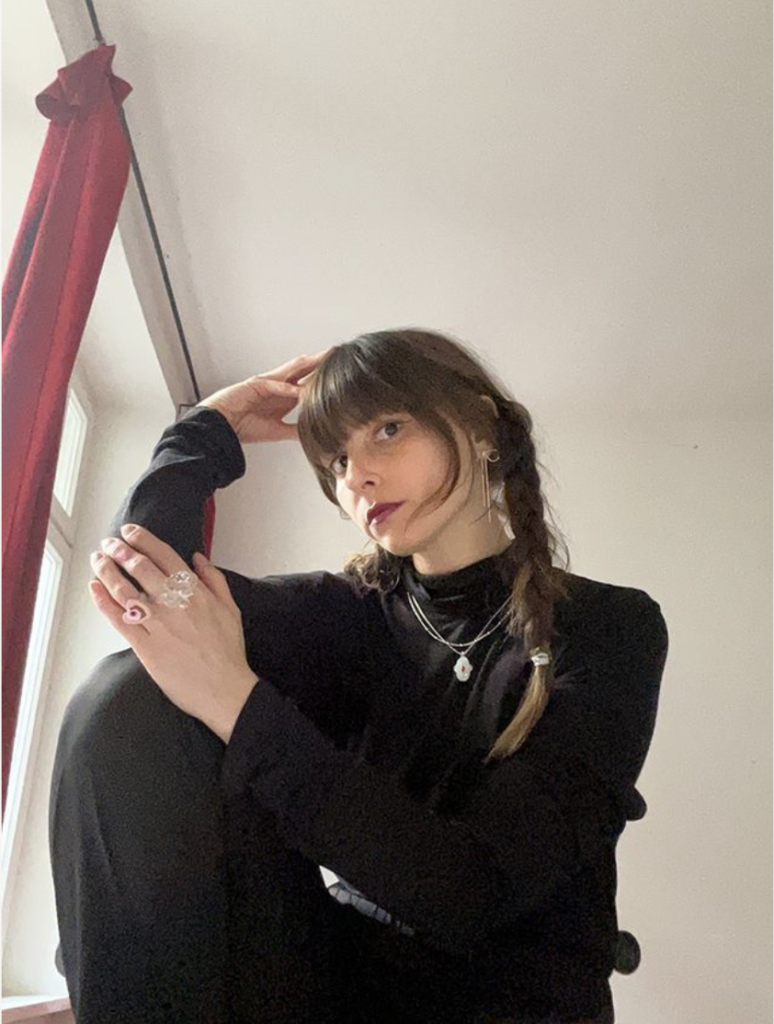 Melissa Aguilar Rojas (Costa Rica) is a designer, researcher and visual artist. She holds a Master’s degree in Visual Communication Design from the National Autonomous University of Mexico (UNAM), Faculty of Art and Design. Her research interests focus on Experimental Museology and the intersection of Art and Technology from a critical perspective, which was reflected in her master’s project titled The Immersive Experience in the Exhibition Environment. Melissa has been an individual member of ICOM since 2016, actively contributing to various committees in different capacities. Within ICOFOM, Melissa serves as an ordinary board member and Co-chair of the Working Group on Website for the 2023–2025 period. She is currently part of the ICOFOM Communications Team. Additionally, Melissa served as graphic designer and social media coordinator for ICOM LAC from November 2022 to May 2023 and is currently ICOM Costa Rica’s secretary. Academically, Melissa presented her research on immersive museological practices during the ICOFOM session on Museology & Technology at the 2019 Kyoto International Conference, with her paper “Experimental Museology: Towards a Practical Method” (published in ICOFOM Study Series 48-01).In terms of graphic design and visual communication, Melissa has designed promotional materials, flyers, book covers, and branding for various ICOM committees and events. As the graphic designer for several issues of the ICOFOM Study Series (Vol. 50, Issue 2 (2023); Vol. 51, Issue 1–2 (2023); Vol. 52-1 (2024); Vol. 52-2 (2024), Vol. 53-1-2 (2025)), edited by Elizabeth Weiser, she introduced a new visual approach through illustrated covers. Other key contributions include work on publications such as Materials for a Discussion: Transnational Island Museologies (2024) and History of Museology in Latin America and the Caribbean: Fundamental Collections (2024). Furthermore, Melissa designed abstract booklets and promotional materials for the ICOFOM LAC Meetings, including the 31st Meeting (Recife, Brazil, 2023) on Histories of Latin American and Caribbean Museology and the 30th Meeting (Barbados, 2022) on Multivocal Museology in Latin America and the Caribbean since the 1972 Santiago Roundtable.
She is currently part of the ICOFOM website revision, communications and publications working groups.
Jamie Allan Brown, treasurer
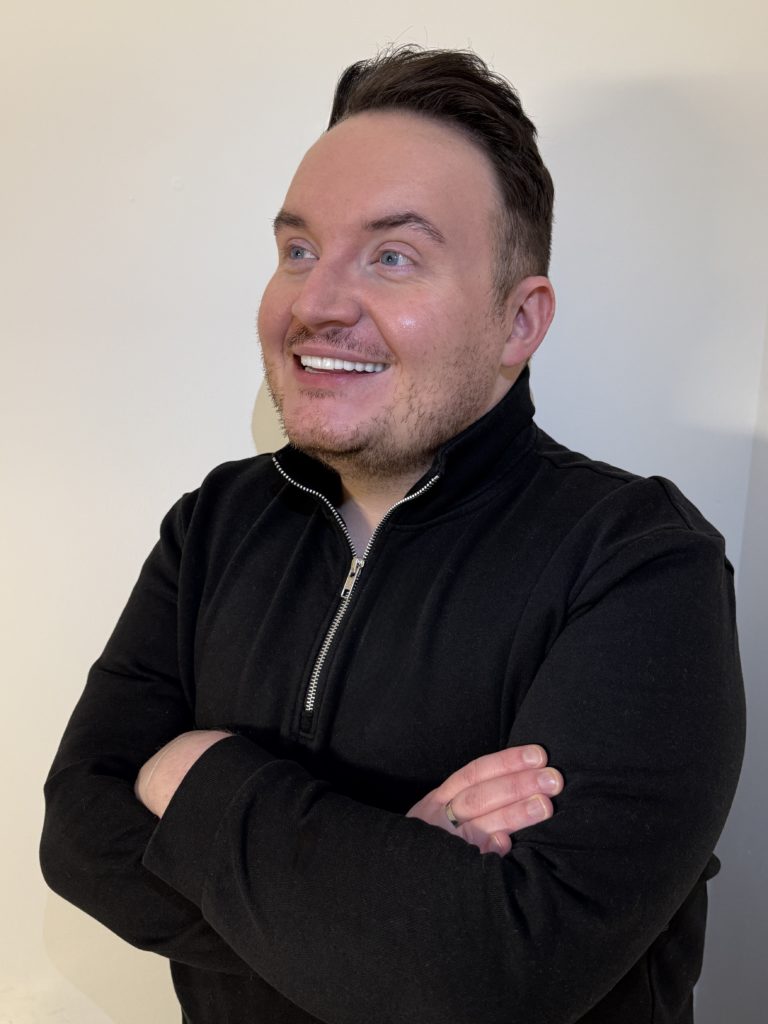 Jamie Allan Brown is a Research Fellow in the School of Art History at the University of St Andrews and currently serves as Treasurer of the International Committee of Museology (ICOFOM). His work bridges academic research and community practice, with a strong focus on community heritage, sustainable development, and youth participation in museum contexts.
Jamie has led and supported interdisciplinary, community-based projects at the University of St Andrews across the Global South, including in Latin America, the Caribbean, Africa, and Europe. He led the bi-regional youth exchange for the award-winning EU-LAC Museums project (EC Horizon 2020, 2016–2021). He also served as Project Manager and Co-Investigator for a series of decolonisation and heritage-based initiatives in Barbados, Costa Rica, Guatemala, Peru, Tanzania, and Ukraine (GCRF, 2020–2022). He later led youth entrepreneurship, sustainable tourism research, and grassroots initiatives through community-led storytelling at the University of the Highlands and Islands (UHI).
Currently, Jamie leads the youth- and climate-focused research strand of the Shared Island Stories project, a transnational youth exchange between Scotland and Barbados (ERC-selected and UKRI-funded, 2022–2027) based at the University of St Andrews. He also coordinates ICOFOM’s SAREC special global workshop project, Young People Shaping the Future of Museology Through the Lens of the SDGs (ICOM-funded, 2022–2024), advancing the role of young people in shaping the future of museums.
Shared Island Stories youth exchange programme, was the winner of the inaugural ICOM Sustainability Award during the ICOM General Conference in Dubai, November 2025.
Elizabeth Weiser, secretary
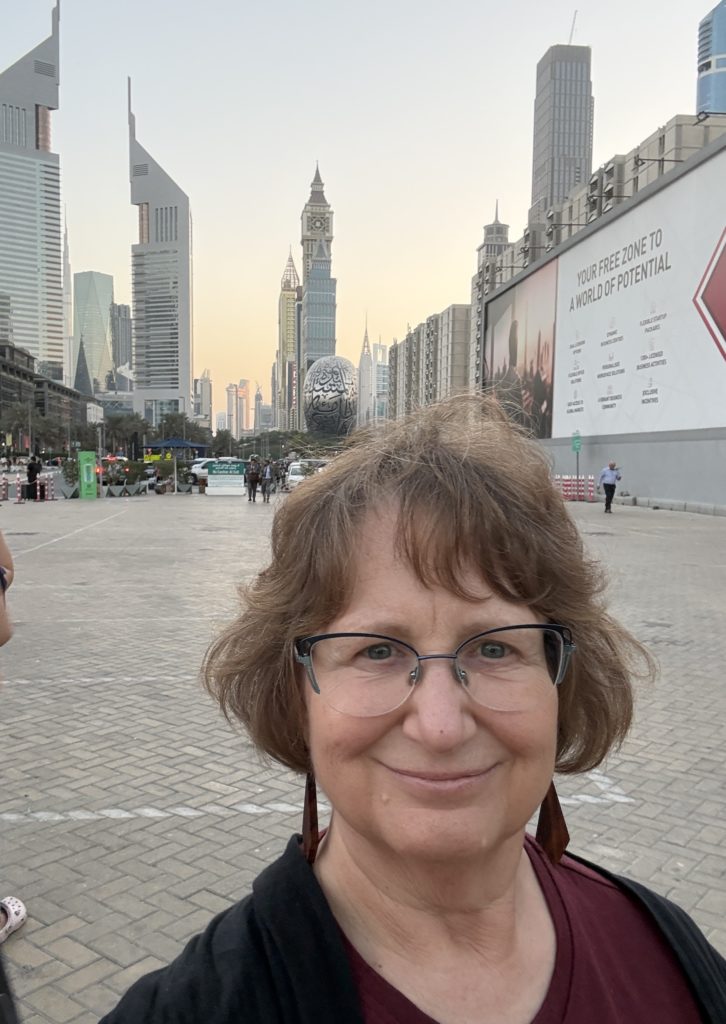 Elizabeth Weiser is an Arts & Sciences Distinguished Professor in the English Department at The Ohio State University, where she has taught rhetoric, writing, and linguistics for twenty years. She has a PhD in rhetoric with masters in creative writing and international education. As a rhetorical theorist and historiographer, she studies the practices that promote communal identities in heritage museums around the world.
Her newest book, Rhetorics of Repair in Museums of Conscience: The Work of Civic Healing, will be published by Routledge later in 2026. In it she explores new heritage museums across the U.S. that relate long-suppressed subaltern histories in a manner that promotes solidarity. Theirs is a particularly daunting task in the current U.S. environment, and Weiser demonstrates that using what she terms “rhetorics of repair”—techniques of truth-sharing, healing, a focus on justice, and the promise of hope—these sites model a means of rhetorical persuasion that counters silence and division. Her 2017 book Museum Rhetoric: Building Civic Identity in National Spaces (Penn State Press), was among the first to fully integrate rhetorical and museological studies, and it included research from over 60 heritage museums on six continents. Weiser’s other books, articles, and chapters range from extensive work on the practices and theories of 20th century rhetoric to the Hopewell Ceremonial Earthworks to competing narratives in US Civil War museums to communal identity formation at the Boca Juniors football museum. More information on her work is available at u.osu.edu/weiser.23
In ICOFOM, Elizabeth has served on the Board since 2019 and currently serves as one of its Secretaries. She is the chair of the working group on Publications. She is also the editor-in-chief of ICOFOM publications, which include the SCOPUS-indexed ICOFOM Study Series (now in its 54th year), monographs, and Materials for Discussion.
Olivia Guiragossian, secretary
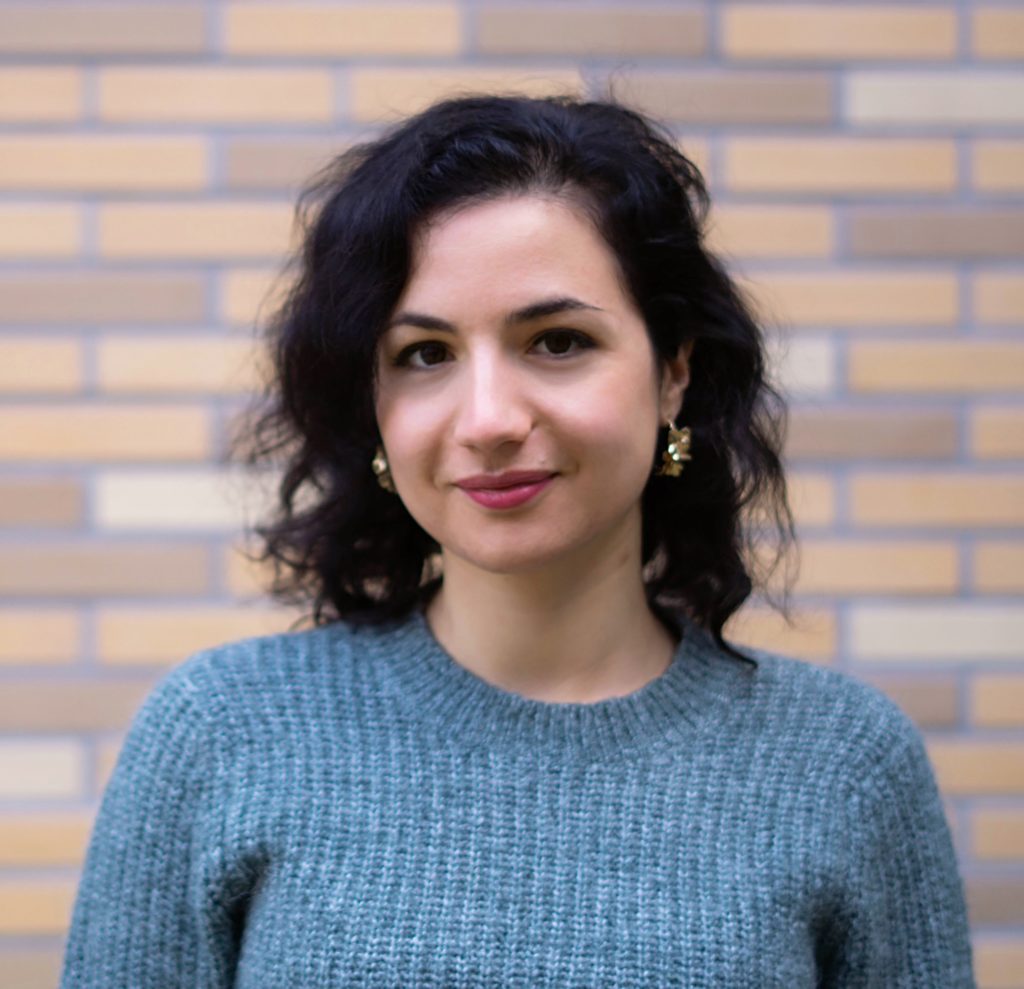 Olivia Guiragossian is a PhD in Museums Studies and currently Assistant Lecturer and Researcher at the University of Avignon in Information and Communication Sciences. Her researches focus mainly on the contours and essence of the notion of museum, the perception of the museum phenomenon as a whole, and the dynamics that affect them on a global scale.
In addition to her teaching activities, she carried out several research projects with French and European organizations, as well as within ICOM, particularly in relation to consultations on the museum definition adopted in 2022 in Prague, and on the decolonization in museums.
As an active member of ICOFOM since 2017, she organized several symposiums and conferences (“Defining the Museum of the 21st Century” (Paris, 2017), “Places of Reflection” (Paris, 2018), “The Future of Tradition in Museology ” (Kyoto, 2019)). Recently, she has contributed to the organization of the International Conference on Museum Storage (Paris, 2024), the founding act of the recent creation of the ICOM Storage International Committee.
She is currently part of the Working Groups on Conference and Ethics.
Ordinary Board Members:
Kolawolé Daniel E. ABIDJO
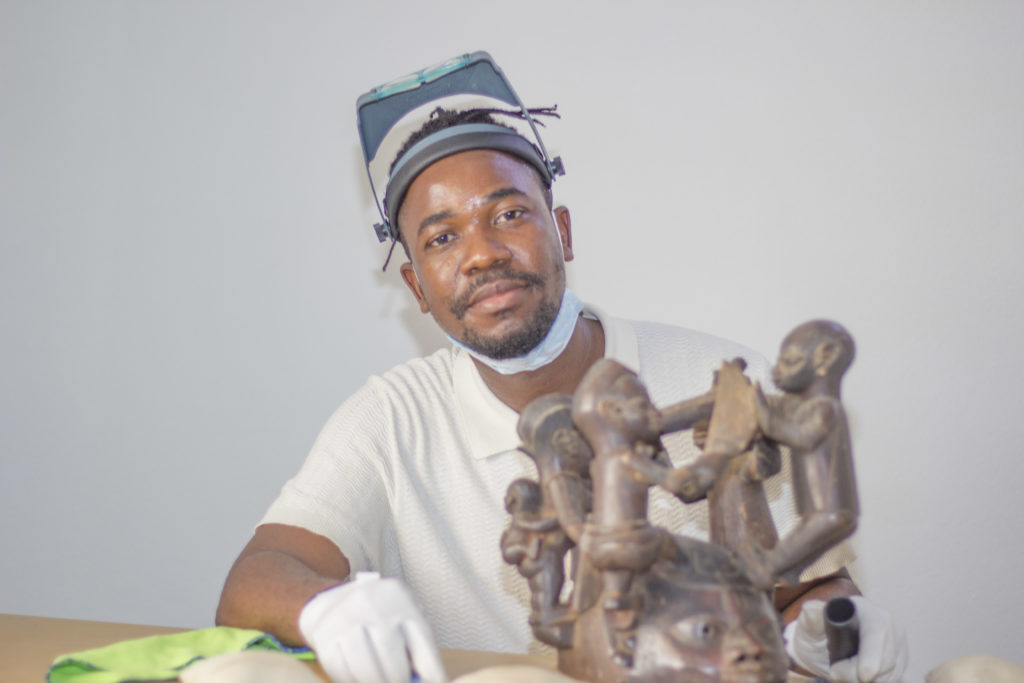 Kolawolé Daniel E. ABIDJO is a curator who graduated from the Institut National du Patrimoine (Paris), with a specialization in museums. He holds two Master’s degrees in heritage studies. Over the course of his career, Daniel E. ABIDJO has collaborated with several major museum institutions in France, including the Musée du quai Branly – Jacques Chirac, the Musée national d’Art moderne – Centre Pompidou, and the Musée des Confluences, where he gained solid practical experience in collections research, provenance studies, and participation in exhibition projects.
He has also worked with Expertise France (AFD) on museum projects in Africa, an experience that broadened his understanding of heritage policies and international cultural cooperation. In parallel, ABIDJO has contributed to the production of exhibition catalogues, notably Mission Dakar-Djibouti, contre-enquêtes (Musée du quai Branly – Jacques Chirac), and has served as curator for several exhibitions.
His scientific commitment is also reflected in the organization and facilitation of conferences and seminars addressing current debates in museology. Daniel E. ABIDJO’s research and professional practice focus on issues related to the sacred in museums, provenance, and restitution, with particular attention to intra-African dynamics. Building on these experiences, he is currently pursuing a doctoral thesis to further deepen his specialization in the field of heritage and museums.
Claire Brizon
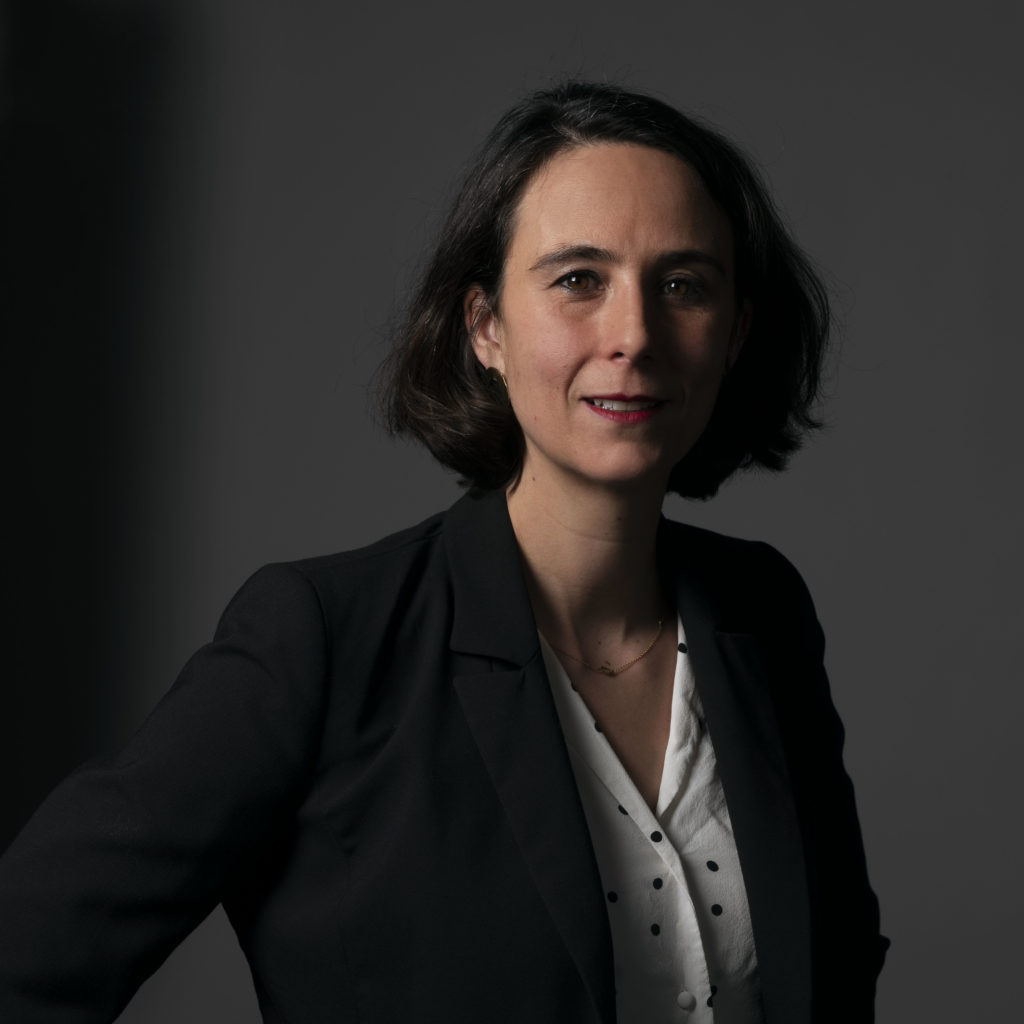
Claire Brizon has been responsible for the ethnography collection at the Cantonal Museum of Archaeology and History in Lausanne (Switzerland) since 2016. Between 2005 and 2016, she was a member of the design team of the Musée des Confluences in Lyon (France), working specifically on Oceanian collections.
She holds two Master’s degrees—one in archaeology (2003, Université Lyon II) and one in museology (2005, Université Lyon III)—as well as a PhD in art history (2021, University of Bern), which led to the publication of a book entitled Colonial Collections. The Origins of Early Non-European Holdings in Swiss Museums (Seismo, 2023).
Since 2024, Claire Brizon has co-directed the continuing education program Certificate of Advanced Studies (CAS) in Provenance Research at the University of Neuchâtel. Her research interests focus on the history of institutions and their ethnographic collections, provenance research, and the documentation and reinterpretation of collections through participatory processes.
Maxence ZABO
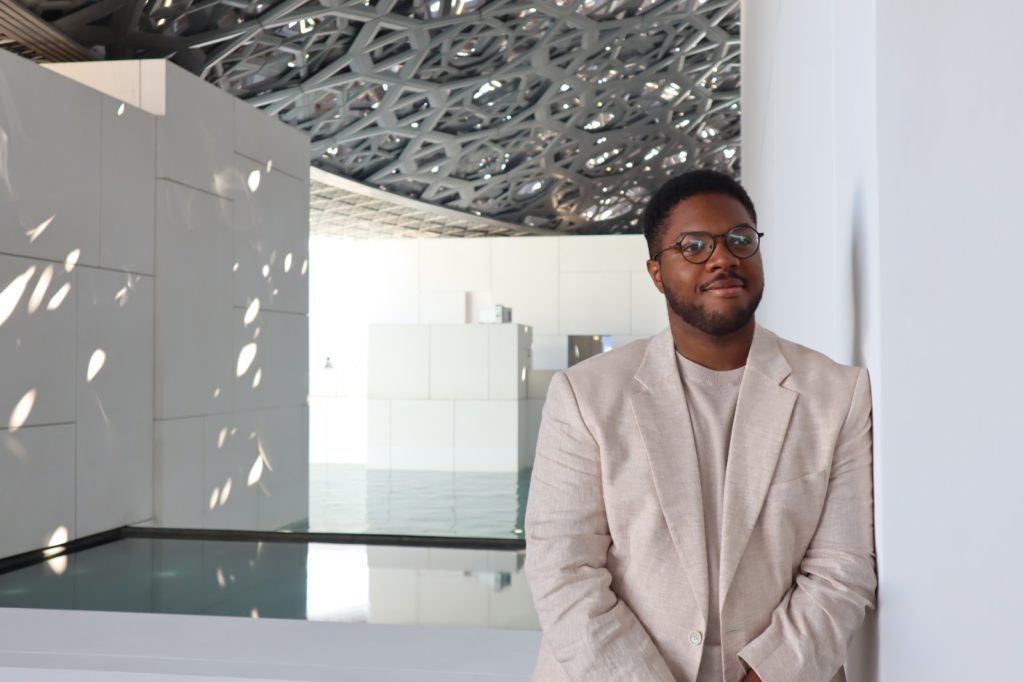 Maxence ZABO was educated in Abidjan (Côte d’Ivoire), Bordeaux, and Paris (France) in archaeology and art history, with a particular focus on Islamic art and geopolitics. His research has examined the role of heritage in public policies and diplomacy from the period of West African Independences, with a primary focus on Côte d’Ivoire.
For more than three years, Maxence ZABO has been based in Abu Dhabi, where he contributes to the development of the local museum sector within the framework of Franco–Emirati cooperation. His work particularly focuses on training and capacity-building projects led by France Muséums and its partners worldwide.
He views museology as a living laboratory in which the confrontation of ideas, methods, and experiences from diverse contexts nourishes a critical, inclusive, and innovative dialogue. For Maxence ZABO, the discipline requires a strong commitment to making heritage spaces accessible as places that hold both the memory and the collective future of societies, while encouraging all audiences to become active practitioners.
Rethinking museum practices, in his view, means valuing reciprocity, positioning training as a driver of professional empowerment, and recognizing the benefits of multiple realities from which often complementary practices emerge—serving both the artefact and its audiences.
Nicolas Navarro
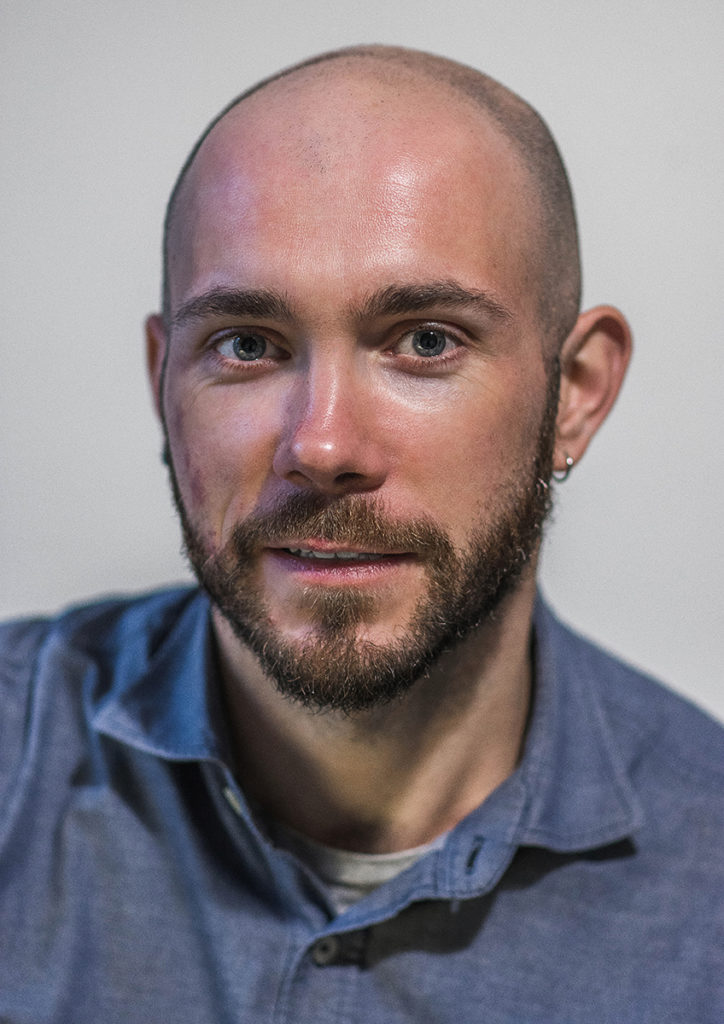 Nicolas Navarro is currently professor of museology and head of the Service of museology in the University of Liège (Belgium) since 2023. He is editor in chief of the journal Cahiers de muséologie and part of the editorial board of the journal Culture & Musées. Holder of a master’s degree in History of Art (2007) and in Museology (2009), he is PhD in
Museologie, médiation, patrimoine (Avignon University, Ecole du Louvre, Université du Québec à Montréal) since 2015. After two post-doctoral researches (University of Laval – Québec ; University of Lyon), he has been lecturer at University Lyon 2 in communication studies from 2018 and 2023, where he has mainly worked on the use of digital tools in the world of museums and heritage. His research now focuses on the field of critical museology, particularly the social and political role of museums in a Western context.
He is part of the ICOFOM Working Group on publications.
Héctor Valverde Martínez
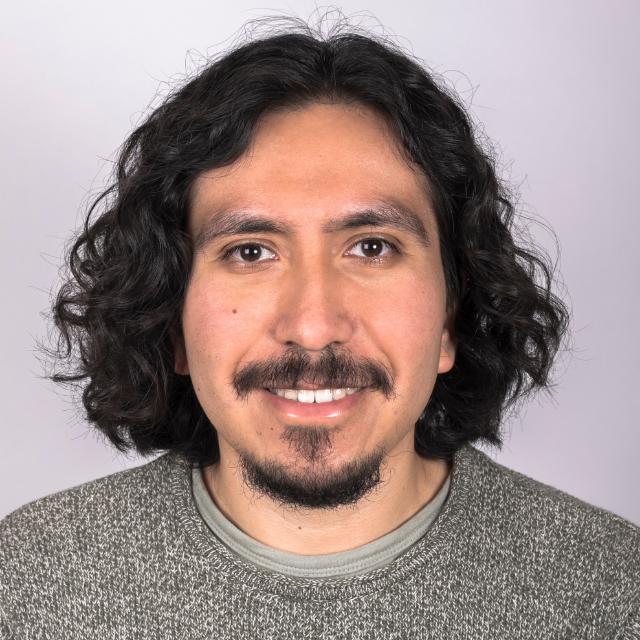 Héctor Valverde Martínez holds a degree in Communication and Cultural and Arts Management from the Universidad de la Comunicación, specializing in Museography from the Escuela Nacional de Conservación, Restauración y Museografía “Manuel del Castillo Negrete” (ENCRyM). He also holds a Master’s degree in Communication (with a research focus on Communication and New Technologies) from the Universidad Nacional Autónoma de México (UNAM).
He has worked as Head of Digital Media at the Sistema Nacional de Fomento Musical of the Consejo Nacional para la Cultura y las Artes (Mexico), as well as Head of the Center for Museological Research, Documentation, and Information and as Head of Community Engagement and Outreach at the Coordinación Nacional de Museos y Exposiciones of the Instituto Nacional de Antropología e Historia (Mexico); as Head of the Operations Department of the Tezozómoc Museum of the Instituto Politécnico Nacional; and as Head of the Operations Department of the Community Culture Pavilion of the Federal Ministry of Culture (Mexico).
Since 2022, he has been a professor of Museography and Cultural Policies at Universidad de la Comunicación. He currently serves as a consultant on Museology, audience research, and project and cultural event management for cultural entities, the Instituto Nacional de Antropología e Historia and the Federal Ministry of Culture (Mexico), artistic groups, and civil society organizations.
He has participated as a speaker in various academic forums on Cultural Heritage Management, Museums, Communication, New Technologies, Youth, and Inclusion in Mexico, as well as in the Americas, Europe, and Asia.
Selected Publications with his authorship are Digital devices as Interpretation tools in Museum settings. Critical Hermeneutics, 4 (1), (2020). When digitization is not enough. A perspective from the museum field in the digital age. Journal of Multicultural Discourses, (2020) and Proyecto Emergente Morelos – Un espacio comunitario tras los sismos de 2017. Estudios sobre Conservación, Restauración y Museología, vol. 6, 41-62 – (Díaz, Noxpango, Sabido & Valverde, 2019). He is part of the Working Groups on Conferences.
Chairs of Sub-Committees:
Scarlet Galindo Monteagudo, Chair of ICOFOM-LAC
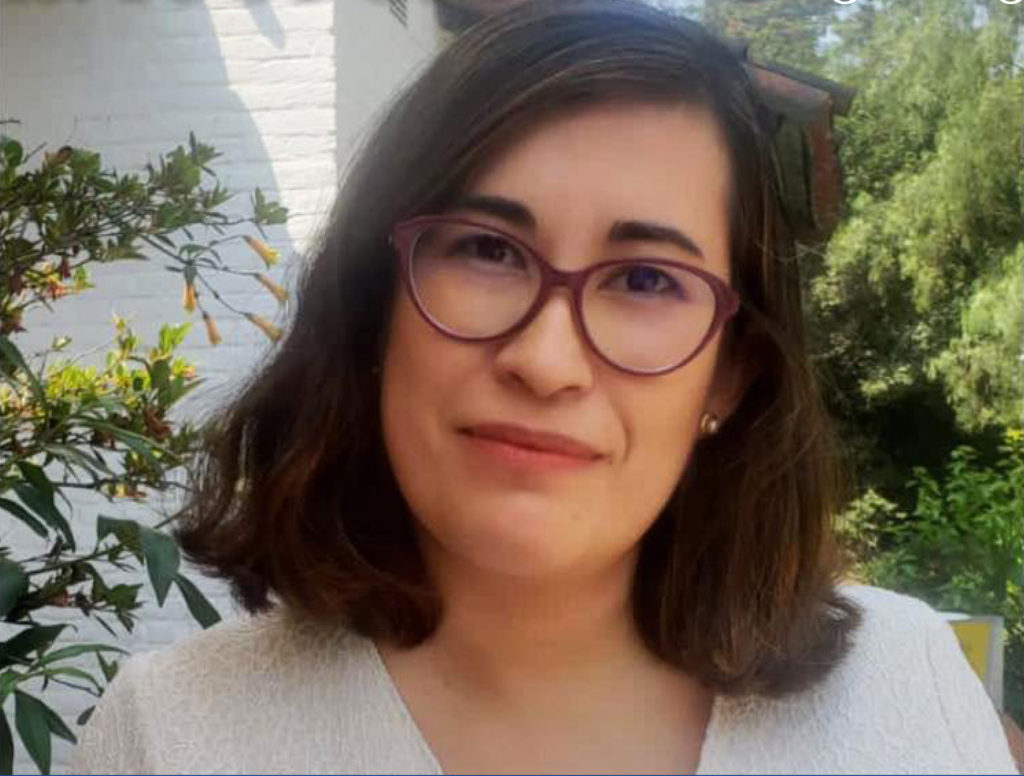 Scarlet Galindo obtained her PHD in Social and Political Sciences with honours at the Iberoamerican University of Mexico presenting the thesis “The social production of art. Networks of cooperation and controversy” a study on the Alvar and Carmen Carrillo Gil Art Museum; using the cooperation networks theory of Howard Becker’s worlds of art and the controversy networks, which were part of the Actor Network Theory of Bruno Latour; her master’s degree in Museology at the National School of Conservation, Restoration and Museography of the National Institute of Anthropology and History, with the thesis “Mexico in two international exhibitions. Paris 1952 and Osaka 1970, with this work she won the Miguel Covarrubias’ Award, for the best research in 2013, She also obtained a bachelor’s degree in design and visual communication at the then National School of Art at the National Autonomous University of Mexico.
She has carried out other studies to complete her training, in 2014, she was part of the Getty Institute Program at the Museum Leadership Institute for Emerging Leaders in Museums and Cultural Management; and in 2023 she obtained her Diploma of Leadership Training in Cultural Management and Museums at the same institute.
She has worked at museums and cultural field since 1999, her first charge was as a “cuate” at the Papalote Museo del Niño; later she worked on the museography of the temporary exhibitions of the Museum of the Former Convent of Acolman, INAH (2003); then she carried out a public study for the Interactive Museum of Economy (2006), in the Visitor Service Area of the Nomad Museum (2008); and at the programs and strategies: Cultural Caravans, Walking Walls, Parents and Summer Community Tutors of the National Council for Educational Development (2010 to 2013). Since 2013 she is part of the National Watercolour Museum, first as manager and nowadays as her director (2021).
In 2016 she coordinated the publication of the book “Alfredo Guati Rojo y el Museo Nacional de la Acuarela”, which won the Antonio García Cubas award from the INAH as the best art book of that year. She has belonged to the board of the International Council of Museums (ICOM) in Mexico as its treasurer since 2022 and of the ICOFOM’s board since 2023. She is part of the subcommittee for Museology in Latin America and the Caribbean (ICOFOM LAC) since 2018, currently as her president (2023-2025).
of the museum formed within ICOFOM. During the term 2022-2025, she was co-vice-chair of ICOFOM, together with Anna Leshchenko, and co-le
Janet Tee, Chair of ICOM ICOFOM-ASPAC