ICOFOM ANNUAL MEETING AND GENERAL ASSEMBLY, 2026
ICOFOM General Assembly 2026
We look forward to welcoming you to the ICOFOM General Assembly on 3 December.
This year we will have the session online, on the third and last day of our Annual Symposium after the speakers’ presentations.
Please find the agenda below:
- Call to order
- Approval of the Agenda
- Approval of the minutes of the 2025 Annual Assembly (Available here)
- President’s Report
- Treasurer’s Report and Approval thereof
- ICOFOM By-laws Read them here
- Working-group Reports (Conferences, Publications, Communication)
- Sub-Committee Reports (ICOFOM LAC, ICOFOM ASPAC)
- Future Plans
19, 26 Nov. 3 Dec. 2026. Online
Registration is now open! Scroll down for the complete information
This edition will be held entirely online, through three live webinars focusing on the following themes:
Day 1 (11/19): Museums in a Polarized World: Why Museums still should Matter Today ?
This thematic strand invites critical reflection on the contemporary relevance of museums as spaces for encounter, negotiation, and the co-construction of shared meanings. It also raises broader questions concerning the opportunities and challenges associated with understanding the museum as an institution endowed with significant social influence. Should museums remain neutral in the face of structural injustice? Or does their very existence as spaces of memory inevitably position them within the political sphere? These questions invite renewed consideration of the ethical responsibilities that accompany the museum’s public role (Janes & Sandell, 2019, p. 8).
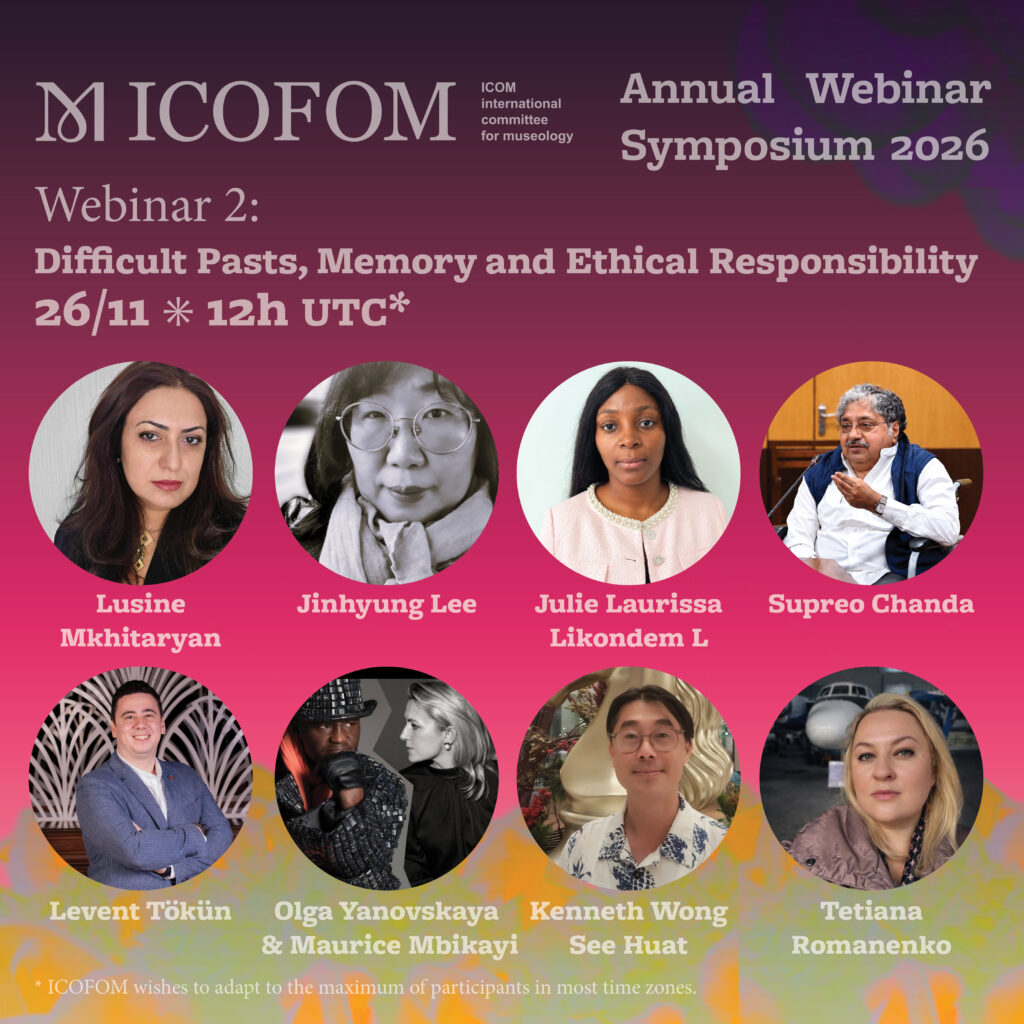
Day 2 (11/26): Difficult Pasts, Memory and Ethical Responsibility
Museums play a central role in shaping collective memory and in representing the realities that continue to generate conflict within contemporary societies. When confronted with histories of violence, colonialism, racism, dictatorship, genocide, and other forms of structural injustice, museums bear the ethical responsibility of developing narratives that are rigorous, inclusive, and respectful— narratives capable of fostering dialogue without reducing the complexity of the past.
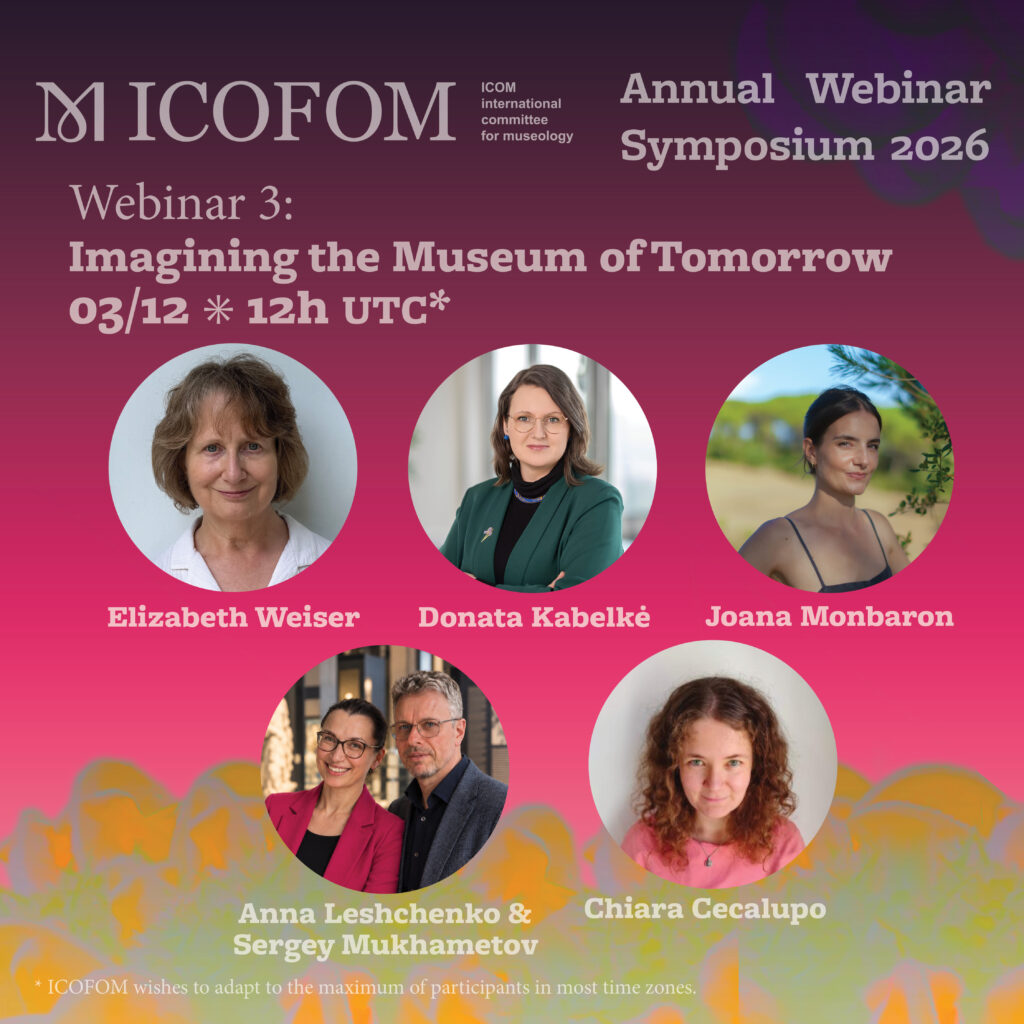
Day 3 (12/03): Imagining the Museum of Tomorrow
If museums aspire to play a meaningful role in addressing contemporary polarization and the challenges posed by difficult pasts, it is equally important to ask what kind of institutions they must become in the future. The profound social, cultural, technological, and environmental transformations of the twenty-first century compel us to reconsider not only the museum’s traditional functions, but also its models of governance, its approaches to participation, and the relationships it establishes with the communities it serves.
*These brief descriptions of the themes are taken from the full call for papers available here*
(Information on speakers, keynotes and program will be continously updated here)
REGISTRATION
Register to Attend Our Webinars
The ICOFOM Annual Symposium 2026 on “Museums in Times of Polarization: Dialogue, Difficult Pasts, and the Ethical Construction of Shared Futures” bringing together museum professionals, researchers, and scholars from around the world will take place online through a series of three webinars.
The symposium will be hosted on Zoom Webinar, allowing participants to attend round tables, follow discussions, and engage with speakers through dedicated Q&A sessions.
How to attend?
To participate, we kindly invite you to complete the registration forms below.
-
November 19, 2026 – 12PM UTC ; Museums in a Polarized World : Why Museums Still Should Matter Today?
-
November 26, 2026 – 12PM UTC ; Negotiating Difficult Pasts: Memory, Representation, and Ethical Responsibility
-
December 3, 2026 – 12PM UTC ; Imagining the Museum of Tomorrow (followed by our General Assembly)
Once registered, you will automatically receive the Zoom Webinar access links and practical information by email.
We look forward to welcoming you online for three days of stimulating exchanges and discussions !
ICOFOM Conferences Working Group
For additional information or enquiries regarding the symposium, please contact: icofomconferences@gmail.com
The program is now available: Access the program here
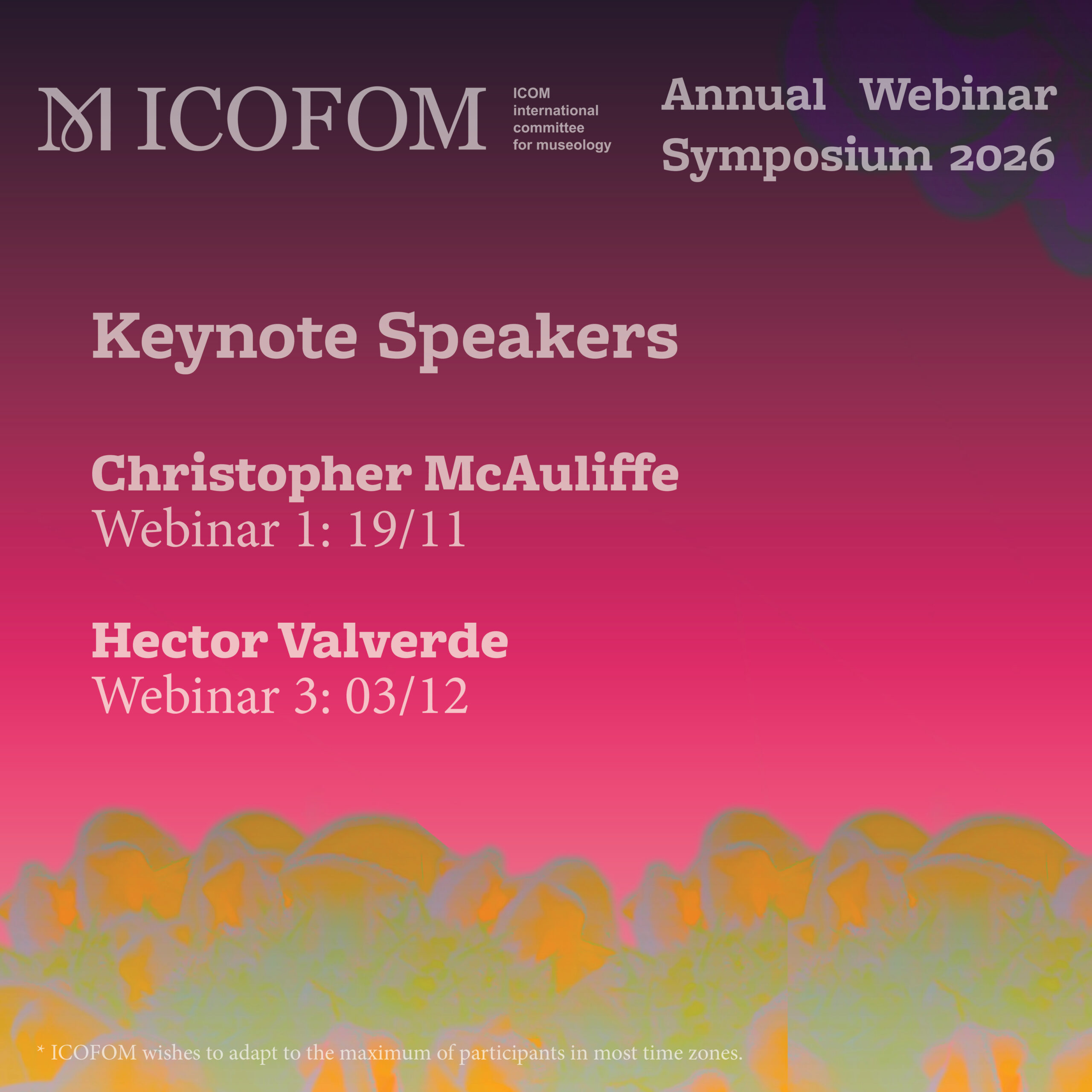
Speakers
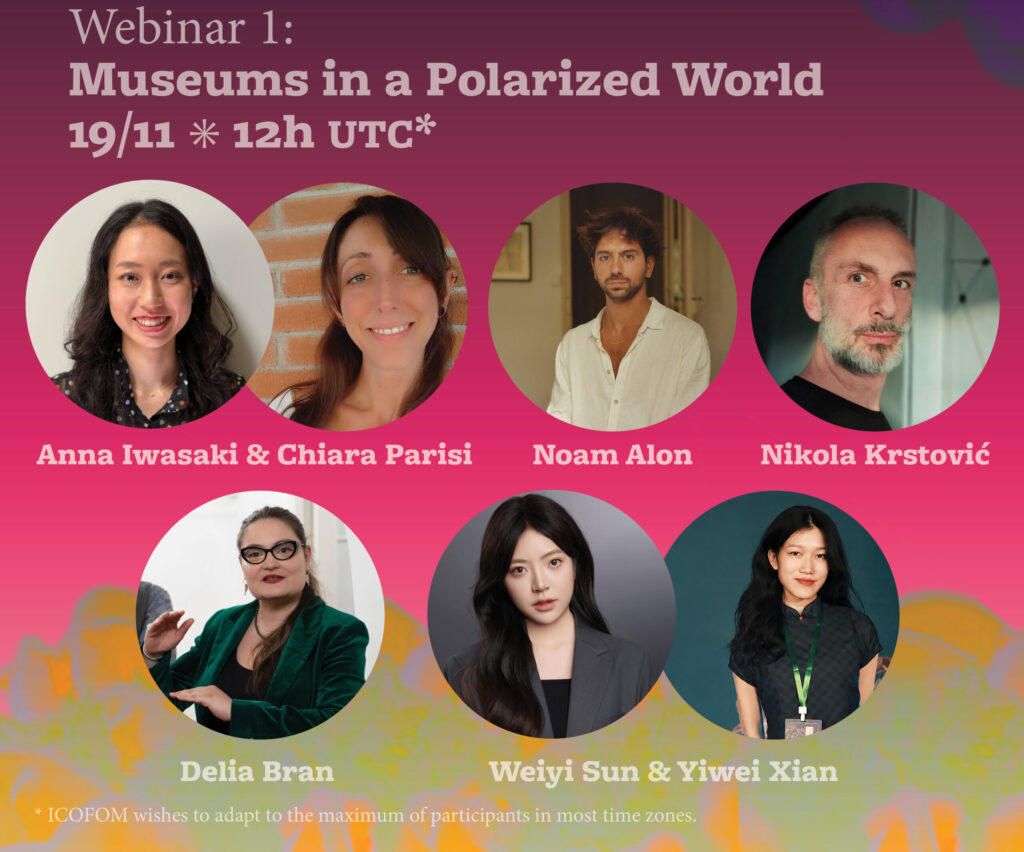
Speakers bios
 Noam Alon
Postdoctoral Fellow, Sorbonne Nouvelle University, Paris
Noam Alon is a postdoctoral fellow and lecturer at Sorbonne Nouvelle University, Paris, where he completed his PhD in museology in 2025 under the supervision of François Mairesse. His doctoral research examined the impact of public and private funding on artistic practices at the Palais de Tokyo (2002-2022). He was an associate researcher at the UNESCO Chair for the Study of Museum Diversity, where he conducted a worldwide survey of contemporary art centres. His research has been published in the Journal of Curatorial Studies, Museum History Journal, Museum Worlds, Théia, and Cultures & Musées. He is also a member of the editorial board of Marges (Paris 8 University), for which he edited issue 41, dedicated to the relationship between artists and institutions
 Delia Bran
Art historian and curator, ICOM Romania
Delia Bran is an art historian specializing in Romanian painting, visual studies, and cultural heritage. She graduated in Art History from the University of Bucharest in 2013 and earned a Master’s degree in Visual Studies from the National University of Arts in Bucharest in 2015, researching the Romanian avant-garde and Corneliu Michăilescu. Her doctoral research examined Romanian cultural art policies, state relations with private art collections, and communist-era museology. Since 2016, she has worked at the Bucharest Municipality Museum, researching art objects from the nineteenth century to the communist period, studying museum history, and curating exhibitions independently and collaboratively. She volunteered at the National Museum of Art of Romania and the National Museum of Contemporary Art. She collaborates with the Madrigal Art Gallery and, since 2025 has been certified by the Romanian Ministry of Culture as an expert in historical heritage, specializing in Romanian painting.
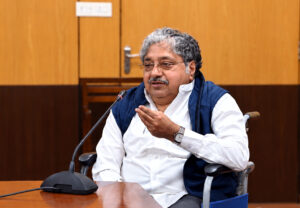 Dr. Supreo Chanda
Professor University of Calcutta, Kolkata, India
Dr Supreo Chanda is a Former Professor and Head of Museology at the University of Calcutta. His specialization is Museum Anthropology, focusing on Museum Ethnography. Dr Chanda’s professional journey began in 1988, working in various museums and even heading a unique Maritime Museum aboard a working paddle ship until June 2001. From 1 July 2001 to 31 July 2026, he taught museology at the postgraduate level while guiding Master’s and PhD students. Beyond academia, he has been a Board Member of the International Committee for Museology (ICOFOM) from 2019 to 2025 and has maintained membership in several prestigious organizations, including ICOM since 1988, the Museums Association of the UK, the Museums Association of India, The Asiatic Society in Kolkata, and the Archaeological Society of India. He authored over 50 research papers, book chapters, and edited volumes and completed several research projects. Dr Chanda has actively contributed to international conferences, presenting research papers at ICOM events in Shanghai, Milan, Kyoto, Prague and Dubai, among others, with grants. He has been a speaker in national and international seminars. In recognition of his contributions, he received numerous awards, including the Lifetime Achievement Award from the Museums Association of India (2022).
 Dr. Chiara Cecalupo
Researcher, University of Malta
Chiara Cecalupo is a researcher in museology, history of collections and the reception of Christian antiquity. She is currently Marie Curie Fellow at the University of Malta. She has been CONEX-Plus-Marie Curie Fellow at the Universidad Carlos III de Madrid and serves as invited professor of Museology at the Pontifical Institute of Christian Archaeology, where she received her PhD in 2018. She gained her BA and MA in Museology at the University of Pisa.
Her research focuses on museum theory, Christian museums, and the history of collecting– particularly Christian archaeology in the Mediterranean – with an interdisciplinary perspective and attention to archival sources and democratic issues. She has been collaborating with several universities and museums in Italy, Spain, Malta, Vatican City, Germany, Tunisia and Morocco.
 Joana da Palma Monbaron
PhD Candidate, Centre for Social Studies – University of Coimbra
Joana da Palma Monbaron is an educator, researcher, and cultural organizer whose work sits at the intersection of contemporary art, critical pedagogy, and institutional practice. She holds a BA and MA in Art History and Russian Studies (University of Geneva), as well as an MA in Contemporary Art History (University of Manchester/ Sotheby’s Institute of Art). Her professional trajectory spans formal education and the institutional art world. She has taught art history at the secondary level and has held coordinating positions in major international contemporary art initiatives. Beyond the framework of large-scale exhibitions, she co-designs and coordinates long-term collaborative projects involving artists, researchers, and specific interest groups that question political and cultural categories. Since 2021, she has been a PhD candidate at the Centre for Social Studies, University of Coimbra, supported by a Foundation for Science and Technology (FCT) scholarship. Her doctoral research critically examines contemporary art institutions aiming to reconsider and reimagine the social contract of culture in 21st-century Europe.
 Anna Iwasaki
Curator, Independent Researcher
Anna Iwasaki is a curator who holds a BA in Art History and a BM in Violin Performance from Seattle University and an MA in Communication with a concentration in applied research from Johns Hopkins University, where she examined the effect of traveling exhibitions. Previously, she worked in the curatorial department of Kikuchi Kanjitsu Memorial Tomo Museum, an art museum in Tokyo, Japan, that mainly specialized in presenting contemporary ceramic artworks. Her research interests include contemporary art, Japanese art, the impact of exhibitions, and the international circulation of contemporary Japanese art.
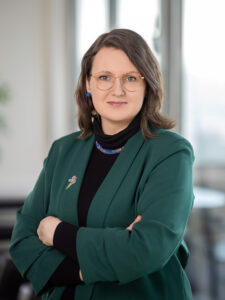 Dr. Donata Kabelkė
Head of Cultural Heritage Protection Division, Vilnius City Municipality Administration, Lithuania, Independent Researcher
Dr. Donata Kabelkė is a museologist and cultural heritage professional based in Vilnius, Lithuania. She serves as Head of the Cultural Heritage Protection Division at Vilnius City Municipality Administration and is an independent researcher. She holds a PhD in Communication and Information Sciences from Vilnius University. Her doctoral research developed a theoretical model and evaluation methodology for social capital created by museums. Her research interests include museology, difficult and dissonant heritage, urban memory, heritage communication, and participatory heritage governance. She has published on difficult heritage, memory conflicts, and museums in digital environments, and has previously led the Wooden Urban Architecture Museum in Vilnius. Her current work focuses on the relationship between cultural heritage, urban development, and community engagement in contemporary cities.
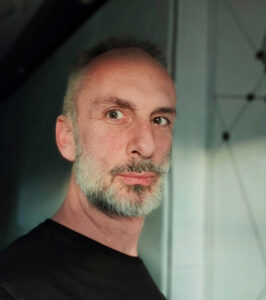 Nikola Krstović
Associate professor, University of Belgrade, Faculty of Philosophy, Center for Museology and Heritage studies,
Museum Adviser / Curator
Nikola Krstović teaches Museology and Heritage. His academic and curatorial career, spanning two decades, covers the research of the East European “school” of museology, the decolonization of knowledge in museum contexts, and critical and reflexive museum interpretations. He teaches at both the University of Belgrade and the University of Arts in Belgrade (Faculty of Applied Arts) and has served as a guest lecturer and co-mentor at the University of Ljubljana’s Faculty of Arts. He is the author of the books To Live or Revive Everyday Life – open-air museums, Nine Lives of a Curator, and the upcoming I-Deal Museum: Museum vs. Museology. He is also the author of numerous scientific publications of national and international scope. In 2017, he was awarded ICOM Serbia’s Museum Professional of the Year, and from 2019 to 2023, he served as the Chair of ICOM Serbia. He has received research fellowships and awards in France, Poland, Slovakia, and the United States.
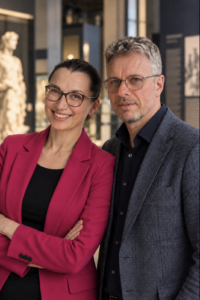 Anna Leshchenko
Research associate at the Ludwig Uhland Institute for Historical and Cultural Anthropology at the University of Tübingen, Germany.
Anna Leshchenko is a research associate at the Ludwig Uhland Institute for Historical and Cultural Anthropology at the University of Tübingen, Germany. She studied and later taught museology at the Russian State University for the Humanities (RGGU) in Moscow. Her current doctoral research examines institutional change within ICOM, focusing on the negotiation of museum identity, ethics, and professional standards through the revision of the museum definition and the ICOM Code of Ethics. Her broader research interests include museology, museum ethics, institutional change, cybermuseology and the impact of digital technologies on museums and museological theory. She served as Vice-Chair of ICOFOM from 2019 to 2025 and is an Associate Editor of ”Curator: The Museum Journal”.
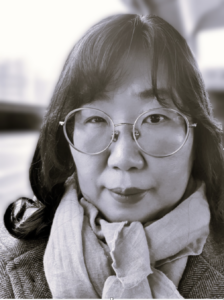 Jinhyung Lee
Senior Curator, National Aviation Museum of Korea (NAMOK), Acquisition and management of museum collections
Jinhyung Lee is a Senior Curator at the National Aviation Museum of Korea (NAMOK), where she has served since 2020, specializing in aviation heritage, history, culture, and collections management. From 2022 to 2024, she planned an integrated digital environment connecting collection management, library resources, online public access, and collection review. Between 2003 and 2019, she worked as a curator in contemporary art galleries and museums focusing on natural history, local history, folklore, old maps, and biographical history, contributing to collections, exhibitions, education, and mobile app development. From 2011 to 2025, she also engaged in academic journal editing and publishing for scholarly societies, including the Korean Society of Museum Studies. She holds degrees in Physics, Culture and Arts Studies, and Museum Studies, and is a PhD candidate in Archival and Information Science. Her research interests include collections research, archiving, digital transformation, and inclusive museums.
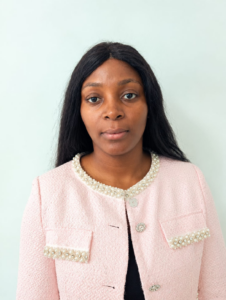 Julie Laurissa Likondem Lekeufack
Doctoral researcher in Global History, Heinrich Heine University Düsseldorf, Germany.
Julie Laurissa Likondem Lekeufack is a doctoral researcher in Global History at Heinrich Heine University Düsseldorf, where she has pursued her PhD since 2022 as a DAAD scholarship holder in the programme “German Colonial Rule.” Her research examines Cameroonian ancestral remains held in German institutions, focusing on dislocation, relocation, dehumanization, and rehumanization. She holds a Master’s degree in German Studies, specializing in Media and Postcolonial Studies, from the University of Dschang, Cameroon. From 2023 to 2024, she served on the advisory board of the University of Tübingen’s “Precarious Provenance” project, researching African human remains in Baden-Württemberg collections. Her academic experience includes international conferences and collaborative projects on colonial history, memory, collections, and restitution. Her research interests include German colonialism in Cameroon, provenance research, ancestral remains, colonial memory, rehumanization, and the ethical responsibilities of museums, academic institutions, and governments.
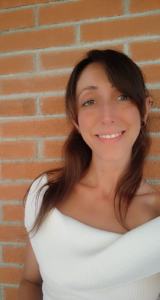 Chiara Parisi
Museologist, Independent Researcher
Chiara Parisi is a museologist who obtained her PhD in Environmental Sustainability and Wellbeing – Scientific Museology from the University of Ferrara. Her research -applied at her previous work at the Museum of Paleontology and Prehistory of the University of Ferrara
– has focused on the potential of palaeontological and prehistoric collections as tools for communicating environmental sustainability, with particular attention to the role of emotions, museum mediation, and psychiatric research in understanding eco-anxiety and fostering pro-environmental behaviour.
Her research interests also include comparative studies of Asian and Italian museums, with a focus on the de-occidentalisation of museum practices and narratives, as well as broader themes within contemporary museological debate including the evolving role of museums and the ways in which museum practices respond to contemporary social and cultural challenges.
Sergey Mukhametov
Research associate at the Rhineland-Palatinate Technical University Kaiserslautern-Landau (RPTU), Germany; coordinator and co-lead of museum and citizen science projects at Reedu, Münster, Germany.
Sergey Mukhametov is a research associate at the Rhineland-Palatinate Technical University Kaiserslautern-Landau (RPTU) and works at Reedu, a University of Münster spin-off, where he is responsible for museum-related projects. He studied at the University of Münster, with a particular focus on visitor studies and the spatial dimensions of museum experience. He previously headed IT and digitalization activitiesatthe Polytechnical Museumin Moscowandlatercoordinated its international projects before working as an independent museum consultant. His research and professional interests include visitor studies, spatial aspects of museum experience, digital and immersive technologies in museums and informal learning environments, and the changing relationship between visitors, technology, and museum spaces. His current research includes the educational use of virtual and augmented reality and the role of emerging digital technologies in informal education and museum practice.
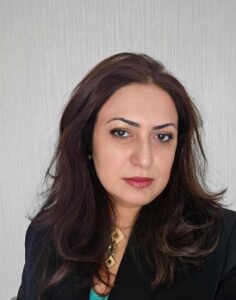 Lusine Mkhitaryan
Independent Researcher, Armenia
Lusine Mkhitaryan is an independent researcher based in Armenia whose work focuses on collective memory, identity, memory institutions, public history, and digital representations of the past. She holds master’s degrees in Social Psychology and Political Science and works as a Chief Archivist at the National Archives of Armenia. She also has over 15 years of experience in journalism and political analysis.
She has passed the entrance examination for doctoral study in Social Psychology, with formal enrollment currently pending. Her recent research addresses memorial landscapes, the legitimation of historical knowledge in memory institutions, and the representation of difficult pasts. She is a member of the Memory Studies Association and participates in its working groups on Language, Memory and Discourse and Visual Memories in Media and Digital Cultures.
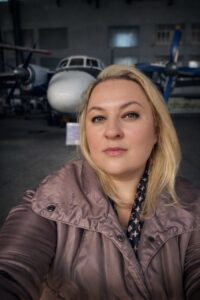 Tetiana Romanenko
Historian and Lead Museum Guide, PhD Candidate of Historical Sciences, Oleg Antonov State Aviation Museum, Kyiv, Ukraine.
Tetiana Romanenko is a Ukrainian historian and museum educator. She holds the degree of Candidate of Historical Sciences (PhD equivalent) and works as a lead museum guide at the Oleg Antonov State Aviation Museum in Kyiv. Her dissertation examined Soviet censorship in the mass media of the Ukrainian SSR during the Second World War. Her broader research interests include twentieth-century history, historical memory, museum education, aviation history and heritage, as well as the history of media, censorship and propaganda.

Weiyi Sun
PhD Candidate, School of Archaeology and Museology, Sichuan University
Weiyi Sun is a PhD candidate in the Department of Cultural Heritage at the School of Archaeology and Museology, Sichuan University, China. Her research focuses on visitor studies and museum curatorship. She has published five peer-reviewed academic articles on museum curatorship and educational programming and is actively involved in museum practice. She has contributed to the curation of five exhibitions and the development and delivery of more than 20 museum education programs.
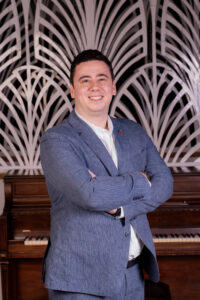
Levent TÖKÜN
PhD Candidate, Department of Law, UNESCO Chair on Business Integrity and Crime Prevention in the Art and Antiquities Market, University of Campania “Luigi Vanvitelli”
Levent Tökun is an archaeologist and art historian specializing in cultural heritage politics, illicit trafficking of cultural property, and museums. He holds a BA in Archaeology and History of Art from Koç University and dual MA degrees in World Heritage Studies from Brandenburg University of Technology and Cultural Heritage from Deakin University. His research examined the return of illicitly trafficked cultural property to and from Türkiye. From 2020 to 2021, he represented Türkiye as a European Heritage Youth Ambassador. Between 2022 and 2024, he worked at Koç University’s Vehbi Koç Ankara Studies Research Center (VEKAM), managing its podcast series and coordinating an exhibition commemorating the centennial of the Republic of Türkiye. He is currently completing his PhD at the University of Campania “Luigi Vanvitelli,” focusing on the art and antiquities market. He is a member of ICOM, Europa Nostra, ICORP Türkiye, Europeana Network Association, and Youth.Heritage.Europe.
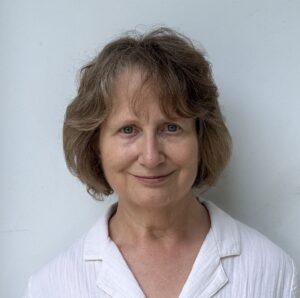 Elizabeth Weiser
Distinguished Arts & Sciences Professor, The Ohio State University, USA
Elizabeth Weiser is an Arts & Sciences Distinguished Professor of English at The Ohio State University, where she has taught rhetoric, writing, and linguistics for twenty years. With a PhD in rhetoric and master’s degrees in creative writing and international education, she researches how heritage museums foster communal identity. Her books include “Museum Rhetoric: Building Civic Identity in National Spaces” (2017), integrating rhetorical and museological studies across more than 60 museums on six continents. Her newest book, “Rhetorics of Repair in Museums of Conscience” (Routledge, 2026), explores how museums address suppressed histories through truth-sharing, healing, justice, and hope. Her scholarship spans rhetorical theory, heritage, and collective memory. Within ICOFOM, she has served on the Board since 2019, is one of its Secretaries, chairs the Publications working group, and serves as editor-in-chief of ICOFOM publications, including the SCOPUS-indexed “ICOFOM Study Series”, monographs, and “Materials for Discussion”.
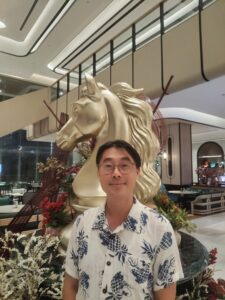 Kenneth Wong See Huat
Founder, People Ideas Culture, Malaysia
Kenneth Wong See Huat is a Malaysian curator and cultural heritage researcher based in Penang. He is the founder of People Ideas Culture, an independent platform exploring living heritage, community memory and contemporary art. His curatorial and research practice examines how everyday landscapes, temporary spaces and dispersed archives can reveal overlooked social histories. He currently serves as Vice Chair of the National Scientific Committee on Cultural Routes (CIIC), ICOMOS Malaysia, and Coordinator of the Modern Materials and Contemporary Art Working Group of ICOM-CC. His recent projects include “Echoes in Between: Penang as Living Archive,” CultureAtlas, and a series of digital micro-museums developed with MagnificentH.
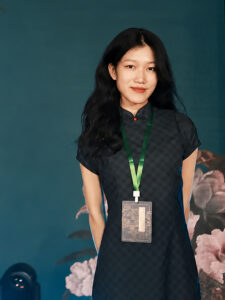 Yiwei Xian
Assistant Curator, Sichuan University Museum
Yiwei Xian holds an M.A. in Archaeology and serves as an Assistant Curator at the Sichuan University Museum. Her research focuses on visitor studies and innovation in museum public services. She has completed over ten exhibition evaluation reports and has extensive experience in museum practice, having contributed to the curation of four exhibitions and the development and delivery of several public education programs.
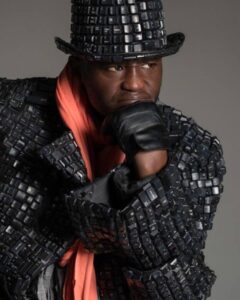
Maurice Mbikayi, Orphan Matter
Maurice Mbikayi is a multidisciplinary artist and researcher working between Cape Town and Kinshasa, and the Founding Artist of Orphan Matter. He holds a BA in Graphic Design from the Académie des Beaux-Arts in Kinshasa (2000) and a Master of Fine Art with distinction from the Michaelis School of Fine Art, University of Cape Town (2015). Working across sculpture, installation, performance and photography, he transforms discarded computer keys, cables and circuits into wearable sculptures and masks that examine global consumption, technology-driven identity and memory, through what he terms prosthetic identities. His work has been shown at the Middelheim Museum, Antwerp; the Royal Academy of Arts, London; Zeitz MOCAA, Cape Town; and Kunsthaus Graz, and is held in the Smithsonian National Museum of African Art, the Pérez Art Museum Miami, the Iziko South African National Gallery and the Deutsche Bank Collection.
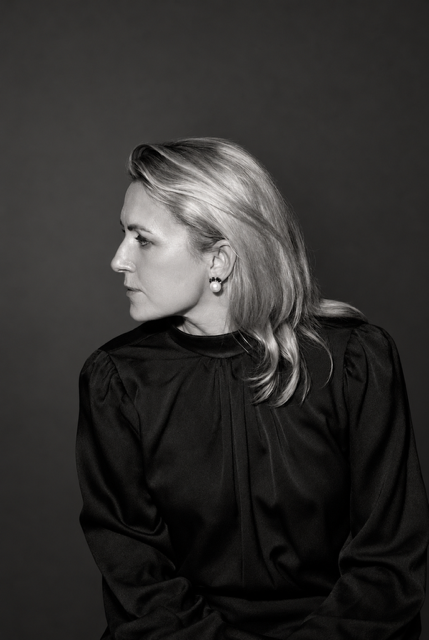
Olga Yanovskaya Filipova, Orphan Matter
Olga Yanovskaya Filipova is a life sciences executive with an international career across Europe, the Americas and Asia, and the founder and director of Orphan Matter, Madrid. She is the author of its founding framework, The Orphan Matter Scale, a civilizational typology that measures societies by what they refuse to abandon. She develops the careers of artists working with electronic waste, originates exhibitions and commissions, and builds the partnerships, with the African Artists’ Foundation among others, that carry the work from the studio to the museum, the collector and the screen. She is currently writing the science fiction trilogy Mira & Tanie, set in Agbogbloshie, Accra, with Jacob A. Osae.
For additional information or enquiries regarding the symposium, please contact: icofomconferences@gmail.com